
What Is the Difference Between a Paper Cup Manufacturer and a Paper Cup Trading Company?
Sep 24, 2026When sourcing disposable paper cups for a coffee shop, restaurant, catering business, foodservice distributor, or retail brand, you may come across two types of suppliers: a paper cup manufacturer and a paper cup trading company.
Both can supply paper cups, but they do not operate in exactly the same way. A paper cup manufacturer is directly involved in production, while a trading company generally purchases products from manufacturing factories and supplies them to customers.
For buyers placing custom or bulk orders, understanding this difference can make it easier to compare suppliers, communicate product requirements, evaluate quality control, and plan long-term purchasing.
Elements Packaging is a paper cup and foodservice packaging manufacturer based in Xiamen, China. The company states that it has specialized in paper cup manufacturing and paper converting since 2008, with a 10,000-square-meter production facility. Its product range includes paper cups and other disposable foodservice packaging products.
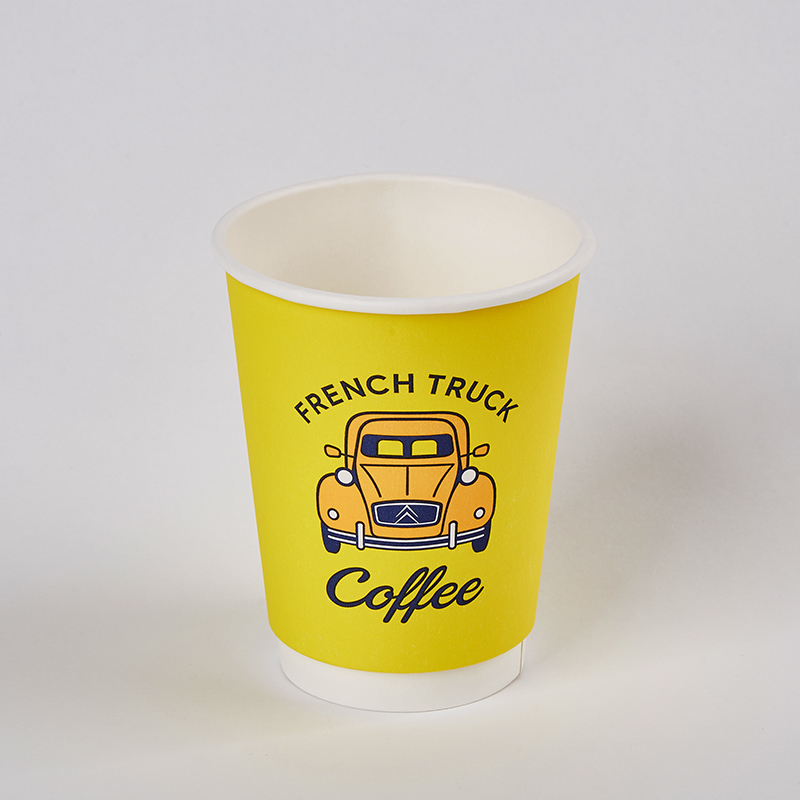
A paper cup manufacturer is a company that directly operates or controls the manufacturing process used to produce paper cups.
The production process may involve paper material selection, printing, coating or lining, cup forming, bottom sealing, quality inspection, packaging, and preparation for shipment.
Because the manufacturer is connected directly to production, buyers can normally discuss technical specifications with the company that actually makes the product. This can be particularly important when an order involves custom sizes, printed artwork, special coatings, different cup structures, or specific packaging requirements.
Elements' product range includes several paper cup structures and applications, including custom paper cups for hot and cold beverages.
A paper cup trading company generally works as an intermediary between buyers and manufacturers. Instead of producing the paper cups itself, the trading company sources products from one or more factories and sells them to customers.
A trading company can still provide valuable services. It may help with supplier selection, product sourcing, export documentation, logistics, communication, and order consolidation.
For example, a buyer may need paper cups, food boxes, paper bags, and other packaging products from different factories. A trading company may coordinate these products through one commercial relationship.
The main difference is therefore not simply the word used in the company's name. The more important question is who actually manufactures the product and who controls the production process?
The most practical difference can be seen in production control, customization, quality management, and communication.
| Factor | Paper Cup Manufacturer | Trading Company |
|---|---|---|
| Production | Directly manufactures or controls production | Purchases products from manufacturing suppliers |
| Customization | Specifications can be discussed directly with production | Customization is coordinated through the factory |
| Quality Control | Direct involvement in production and inspection | Usually depends on the manufacturing partner |
| MOQ | Based on production and customization requirements | Depends on the selected factory and purchasing arrangement |
| Lead Time | Coordinated directly with production scheduling | Depends on the manufacturing supplier |
| Product Development | Direct access to manufacturing capabilities | Normally coordinated with the factory |
Not necessarily. The final price of a paper cup depends on much more than whether the supplier is a manufacturer or a trading company.
Important cost factors can include:
A trading company may sometimes provide competitive pricing because it works with multiple factories or consolidates different products. A direct manufacturer may offer advantages when the buyer needs repeated production, detailed customization, or closer communication with the production side.
For this reason, buyers should compare the complete sourcing cost and product specification, rather than choosing a supplier based only on the quoted unit price.
When ordering custom paper cups, the supplier needs to understand more than just the desired quantity.
A custom paper cup project may involve:
Working with a manufacturer can make communication about these specifications more direct because the supplier is connected to the production process.
For example, Elements offers custom double wall paper cups with options for size, color, logo, lining, and packaging. The product page currently lists sizes from 7oz to 20oz and different lining options.
Paper cups may look simple, but their performance depends on several manufacturing details.
Material quality, coating, printing, cup forming, bottom sealing, rim construction, and packaging can all affect the finished product.
For bulk buyers, quality consistency is especially important. A sample may look acceptable, but the real question is whether the same specifications can be maintained throughout mass production.
When evaluating a paper cup manufacturer, buyers can ask about:
Elements states that its production and quality processes are used to support international foodservice customers, and its product range includes different material and coating options. Buyers should request the specific certificates and test documentation applicable to their market and intended use.
Before placing a large paper cup order, it is better to ask specific questions instead of simply requesting a price.
A practical supplier checklist includes:
These questions help buyers understand the supplier's actual production capabilities instead of relying only on product photos or a quotation.
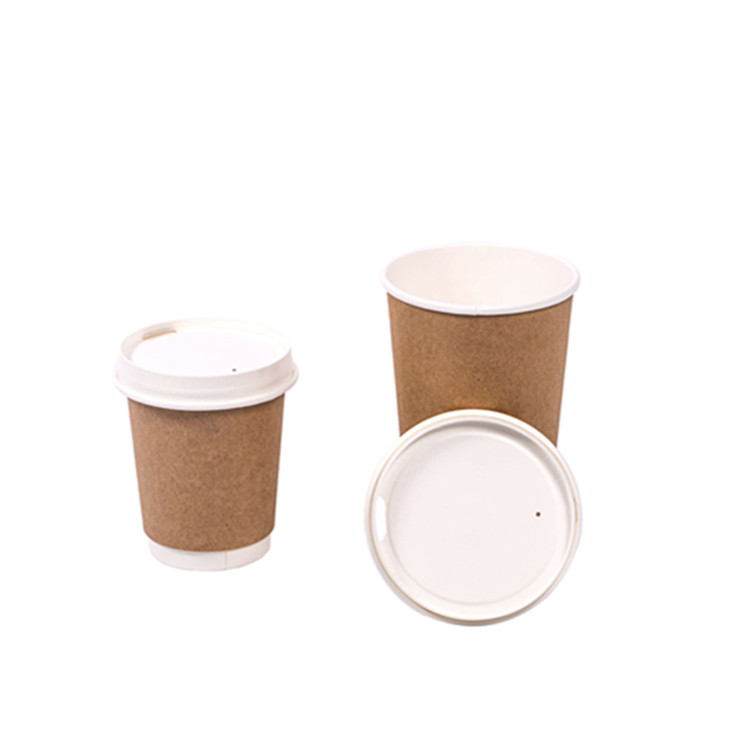
For beverage packaging, the cup and lid should be considered as one packaging system rather than two completely separate products.
The lid needs to match the cup opening, fit securely, and support the intended beverage application. For takeaway coffee and other drinks, a poor fit can increase the risk of spills during transportation.
Elements also produces paper cup lids in different sizes and designs. The company states that its paper lids are available in 62mm, 70mm, 80mm, and 90mm calibers, with customization available for specific requirements.
Yes. Coating or lining is an important part of paper cup specifications because it affects liquid resistance and the intended application of the cup.
Depending on the product and market requirements, paper cups may use different lining or barrier technologies.
Elements offers options including PE, PLA, and aqueous barrier coatings across its paper cup range. For buyers specifically looking for an alternative barrier technology, its aqueous barrier coating paper cups are designed for hot and cold beverage applications and can be customized in size, color, logo, lining, and packaging.
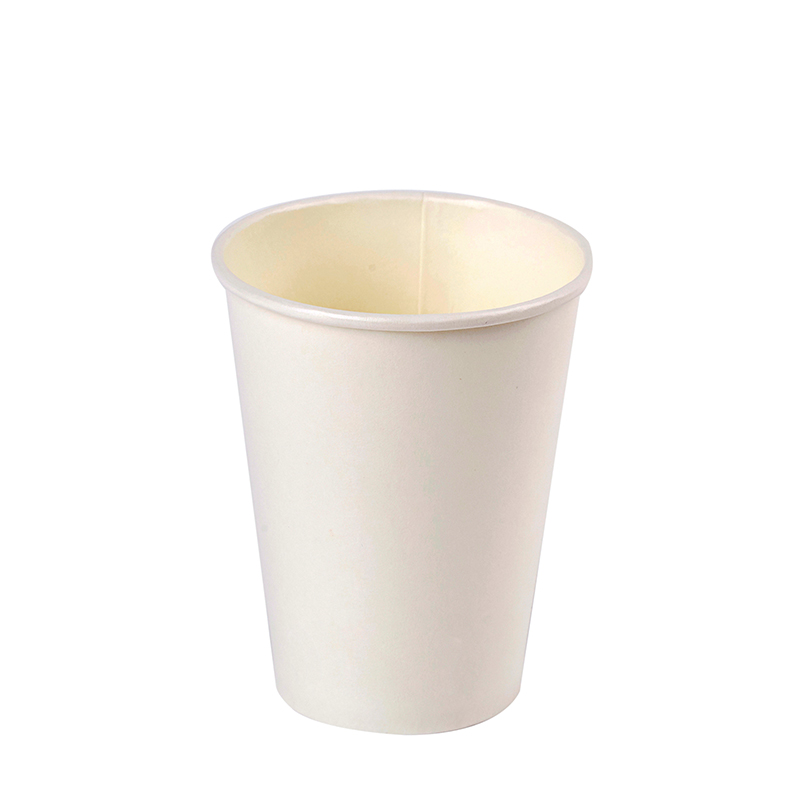
Many manufacturers specialize in more than one type of disposable foodservice packaging.
This can be useful for coffee shops, restaurants, catering companies, foodservice distributors, and brands that want to manage several packaging products through one supplier.
Elements' product range extends beyond paper cups to include paper lids, paper bowls, paper food boxes, paper trays, paper bags, paper straws, and compostable cutlery.
For foodservice businesses that also need takeaway packaging, the company's paper food boxes provide another product category that can be sourced alongside beverage packaging.
A trading company can be useful when a buyer needs a broad sourcing service rather than direct factory communication.
For example, a buyer may need several types of packaging from different factories. A trading company may coordinate suppliers, consolidate products, arrange shipping, and handle export-related communication through one commercial contact.
This model can be convenient for some purchasing projects.
However, buyers should understand where the actual production takes place, especially when the order involves customized products, strict quality requirements, repeated production, or technical specifications.
The important point is to evaluate the supplier based on its actual capabilities rather than simply relying on the label of “manufacturer” or “trading company.”
Before placing a large order, buyers can ask for practical information that helps verify manufacturing capability.
It is also useful to compare the supplier's stated manufacturing capabilities with the products shown on its website.
A genuine paper cup manufacturer should be able to explain how different cup structures, materials, coatings, printing requirements, and packaging specifications are handled during production.
The right sourcing model depends on the buyer's project requirements.
A trading company may be useful for multi-product sourcing, supplier coordination, and logistics support. A direct manufacturer may be more relevant when a buyer needs customized products, detailed specifications, consistent production, or closer communication with the manufacturing side.
When comparing paper cup suppliers, buyers should look beyond the initial quotation. Product material, cup structure, coating, customization, quality control, MOQ, lead time, certifications, packaging, and long-term supply capability all deserve attention.
Elements Packaging states that it has specialized in paper cup manufacturing and paper converting since 2008 and operates a 10,000-square-meter production facility in Xiamen, China. Its current product range covers paper cups and multiple categories of disposable foodservice packaging.
A paper cup manufacturer directly produces or controls the production of paper cups, while a trading company generally sources finished products from manufacturing suppliers and sells them to customers.
No. Pricing depends on materials, cup structure, coating, printing, quantity, packaging, customization, shipping terms, and other factors. Buyers should compare the complete quotation rather than only the unit price.
A manufacturer can provide more direct communication with the production side, which can be useful for custom sizes, printing, coatings, cup structures, packaging, and repeated production. The actual capabilities of each supplier should still be verified.
Yes. A trading company can coordinate customized production with a manufacturing factory. Buyers should confirm who is responsible for production, quality control, sample approval, and final specifications.
Check the material, size, cup structure, coating, printing, MOQ, sample quality, production lead time, certifications, packaging, shipping terms, and quality control procedures.
Yes. Elements Packaging's current product range includes paper cups, paper lids, paper food boxes, paper bowls, paper trays, paper bags, paper straws, and compostable cutlery.


No. 15-5 Rongyuan Road Xiamen
© 2026 Elementos de Xiamen Packaging Co., Ltd. Reservados todos los derechos