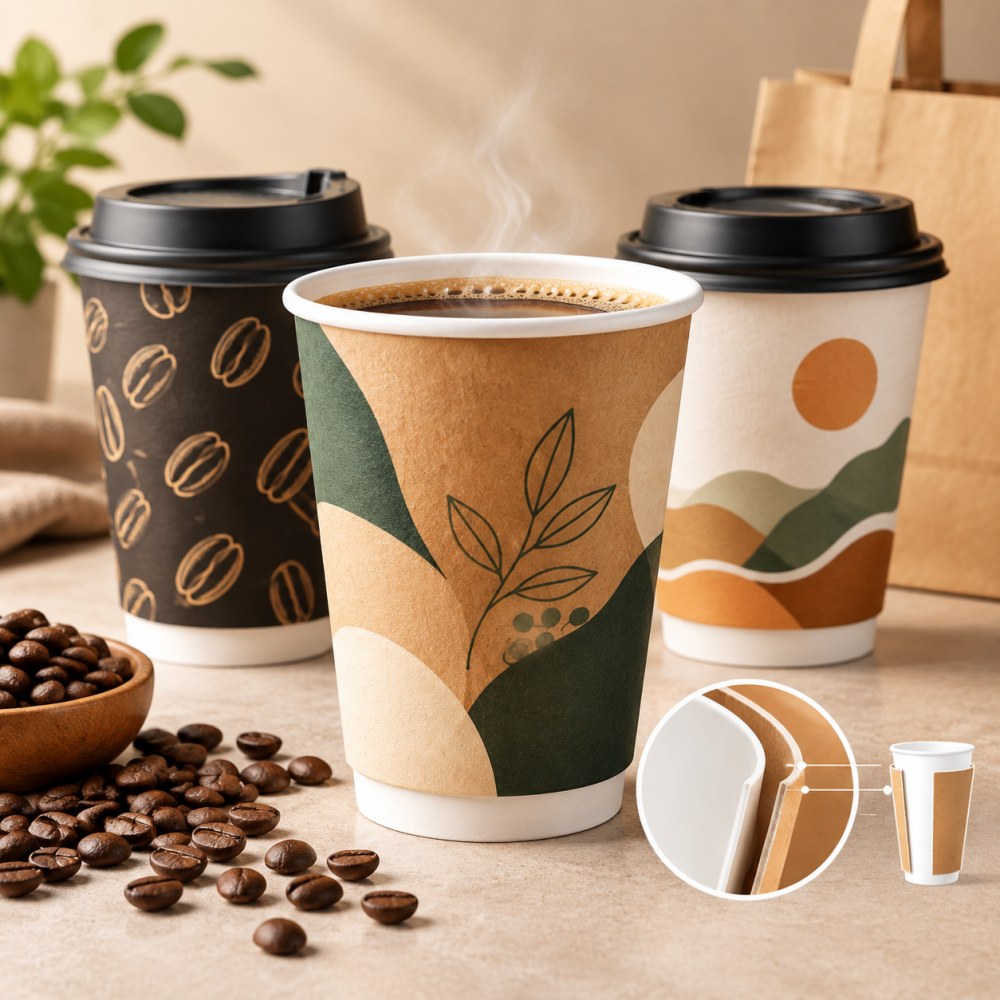
 Beneficios de los vasos de café de papel de doble pared para el reparto de bebidas calientes.
Sep 10, 2026
Beneficios de los vasos de café de papel de doble pared para el reparto de bebidas calientes.
Sep 10, 2026
El reparto de bebidas calientes plantea un reto de envasado que las cafeterías, los restaurantes, las empresas de catering y las marcas de reparto de comida deben resolver a diario: ¿cómo puede un vaso mantener la bebida cómoda de sostener a la vez que conserva una presentación profesional durante el transporte?Vasos de café de papel de doble pared Están diseñados específicamente para este tipo de aplicación. Su construcción de doble capa crea un espacio de aire aislante entre el vaso interior y la capa exterior, lo que ayuda a reducir la transferencia de calor a la mano del consumidor y proporciona una estructura más resistente para el servicio de comida para llevar y a domicilio.Para los compradores mayoristas y los distribuidores de envases para servicios de alimentación, elegir el vaso de doble pared adecuado puede mejorar la experiencia del cliente, simplificar la entrega de bebidas calientes, reforzar la presentación de la marca y respaldar los programas de envasado personalizados. ¿Qué es un vaso de café de papel de doble pared?Un vaso de café de papel de doble pared consta de un vaso interior de papel combinado con una capa exterior adicional. A diferencia de un vaso convencional de una sola pared, la segunda capa proporciona aislamiento adicional y soporte estructural. El espacio entre las capas ayuda a reducir la transferencia directa de calor de la bebida a la superficie exterior.Esta construcción hace que los vasos de doble pared sean especialmente adecuados para café, té, chocolate caliente, lattes, capuchinos y otras bebidas calientes para llevar. El diseño también resulta práctico para transportar bebidas desde una cafetería o restaurante hasta el domicilio, la oficina, el hotel, un evento o el lugar de trabajo del cliente.Elements Cup describe sus vasos de papel de doble pared como productos aislantes aptos para uso alimentario que permiten diseños personalizados. Su gama de productos incluye diferentes tamaños, materiales, revestimientos, colores, logotipos y configuraciones de empaque para pedidos al por mayor y personalizados.Para las empresas que buscan una gama de productos dedicada, la vasos de papel de doble pared Esta categoría proporciona un punto de partida útil para comparar los estilos disponibles. Los vasos de café de papel de doble pared con impresión personalizada pueden combinar aislamiento térmico con una fuerte visibilidad de la marca. ¿Por qué los vasos de doble pared son mejores para servir bebidas calientes?El servicio de entrega de bebidas calientes es diferente al servicio de café tradicional en la cafetería. Cuando un cliente recibe una bebida en la barra, es posible que solo tenga que llevar la taza consigo durante unos minutos. El servicio a domicilio implica un tiempo de manipulación más prolongado y conlleva movimientos, cambios de temperatura, apilamiento y condiciones de transporte.Un vaso de papel de doble pared resuelve varios de estos problemas a nivel de envasado.Mayor comodidad para las manos: La pared exterior reduce la cantidad de calor que se transfiere a la mano del consumidor.Aislamiento mejorado: La capa adicional ayuda a ralentizar la transferencia de calor de la bebida a la superficie externa.Estructura más resistente: Dos capas de papel pueden crear una taza más rígida que una construida con una sola pared.Mejor experiencia de entrega: Una taza resistente puede brindar mayor seguridad a los clientes cuando reciben bebidas calientes fuera de la cafetería.Aspecto de primera calidad: La pared exterior ofrece oportunidades adicionales para la creación de marcas e impresiones de alta calidad.Menor dependencia de accesorios: En algunas aplicaciones, la pared exterior integrada puede proporcionar aislamiento sin necesidad de una funda separada.Estas ventajas son especialmente relevantes para las marcas de café que dependen de los pedidos para llevar y a domicilio. La taza se convierte en algo más que un simple recipiente; pasa a formar parte de la experiencia general del cliente con la marca. Vasos de papel para café de doble pared frente a vasos de papel de pared simpleLos vasos de papel de pared simple se suelen elegir cuando el costo y la capacidad básica para contener la bebida son las principales consideraciones. Sin embargo, las bebidas calientes pueden hacer que la superficie exterior de un vaso de pared simple resulte incómoda de sostener sin una funda adicional.Los vasos de doble pared incorporan una capa adicional de papel, creando una estructura más aislante. Esto los convierte en una excelente opción para servir bebidas calientes, donde la comodidad al tacto, la rigidez y la presentación son importantes.Pared simple: Ligeros, sencillos y, a menudo, adecuados para el servicio básico de bebidas.Doble pared: Mejor aislamiento, estructura más resistente y una apariencia de comida para llevar de primera calidad.Muro ondulado: Utiliza una estructura exterior texturizada para crear aislamiento y una apariencia táctil distintiva.Pared doble con relieve: Combina una construcción de doble capa con una superficie exterior en relieve para mayor textura y agarre.La mejor opción depende de la temperatura de la bebida, la distancia de entrega, el posicionamiento de la marca, el presupuesto de embalaje y las expectativas del cliente. Cómo la construcción de doble pared mejora la comodidad de la manoUna de las ventajas más importantes de un vaso de café de papel de doble pared es la mayor comodidad al tacto. Una bebida caliente transfiere energía térmica a través de la pared interior de papel hacia el exterior del vaso. Añadir una segunda pared crea una barrera adicional entre el líquido caliente y la mano del consumidor.Esto no significa que la superficie exterior se mantenga completamente fría. Más bien, la capa adicional ayuda a reducir la velocidad y la cantidad de calor que llega a la superficie exterior, lo que hace que la taza sea más cómoda de sostener durante su uso normal.Para las empresas de reparto, esto es importante porque los clientes pueden recoger la bebida inmediatamente después de recibirla. Una taza demasiado caliente puede afectar negativamente la percepción de la calidad del producto, incluso cuando el café en sí es excelente. Mayor protección durante la entrega de café.El embalaje para entrega a domicilio requiere mayor resistencia que el de una bebida en tienda. Los vasos pueden ir dentro de bolsas de papel, portavasos, cajas de reparto o bolsas isotérmicas. Pueden sufrir vibraciones e impactos leves durante su transporte en coche, bicicleta, motocicleta o mensajería.Una estructura rígida de doble pared proporciona mayor estabilidad durante su manipulación. La capa exterior añade material alrededor del cuerpo del vaso, lo que ayuda a que este mantenga su forma cuando los clientes lo sujetan o cuando se colocan varias bebidas juntas.Para los compradores comerciales, sin embargo, la construcción del vaso siempre debe evaluarse junto con el ajuste de la tapa, la calidad del borde, el sellado, el embalaje de cartón y la compatibilidad con la empresa de transporte. Un vaso resistente por sí solo no puede compensar una tapa inadecuada o un embalaje de envío mal diseñado. La impresión personalizada convierte los vasos de doble pared en una herramienta de marca.El servicio de entrega de bebidas calientes ofrece a las marcas menos oportunidades de comunicarse directamente con los clientes que la experiencia en tienda. Por lo tanto, una taza de café personalizada puede convertirse en una importante superficie de promoción móvil.Los vasos de papel de doble pared ofrecen una superficie exterior imprimible relativamente grande. Las cafeterías pueden usar este espacio para logotipos, colores de marca, eslóganes, diseños de temporada, códigos QR, información de redes sociales o mensajes promocionales.Para los compradores mayoristas y de marcas blancas, la impresión personalizada también puede ayudar a crear un sistema de empaque uniforme para diferentes tamaños de bebidas. En lugar de usar vasos desechables genéricos, una marca puede desarrollar una identidad visual reconocible que aparezca en pedidos a domicilio, mostradores de comida para llevar, eventos y servicios de catering. La impresión personalizada a todo color ayuda a las marcas de café para llevar a convertir los vasos desechables en herramientas de marketing móvil. ¿Qué tamaños están disponibles para el servicio de entrega de bebidas calientes?El tamaño de la taza debe elegirse según la carta de bebidas, en lugar de simplemente porque sea popular. Una cafetería puede necesitar tazas de diferentes tamaños para bebidas a base de espresso, café normal, té, chocolate caliente y bebidas especiales.La especificación de vasos para bebidas calientes de doble pared personalizados de Elements Cup incluye tamaños de 7 oz, 8 oz, 8 oz (tazón bajo), 10 oz (tazón bajo), 12 oz, 16 oz, 16 oz (tazón bajo) y 20 oz. Esta gama permite a los compradores desarrollar envases para diferentes categorías de menú y volúmenes de servicio.Por ejemplo, una taza de 8 onzas es ideal para bebidas calientes pequeñas, mientras que las de 12 y 16 onzas son comunes en los programas de café para llevar. Los tamaños más grandes permiten preparar bebidas especiales de mayor tamaño o menús de bebidas con mayor volumen.Antes de realizar un pedido al por mayor, los compradores deben probar el vaso seleccionado con la receta real de la bebida, la tapa, el envase y la bolsa de envío para asegurarse de que todo el sistema de embalaje funcione correctamente. Elige el papel y el forro interior adecuados.La estructura de papel es solo una parte de un vaso de café comercial. El revestimiento interior también desempeña un papel importante, ya que ayuda a que el vaso resista la humedad y evita que la bebida penetre en la estructura de papel.Según las especificaciones del producto y las exigencias del mercado, los compradores pueden considerar un revestimiento de PE convencional, un revestimiento de PLA o un recubrimiento de barrera acuosa. Cada opción debe evaluarse en función de los requisitos de rendimiento, las declaraciones medioambientales, la normativa local, la infraestructura de eliminación de residuos y las necesidades de certificación.Elements Cup ofrece fibra de bambú, papel kraft y papel blanco común como materiales para sus vasos de doble pared para bebidas calientes, con opciones de revestimiento de PE, PLA y barrera acuosa. La empresa también ofrece personalización de tamaño, color, logotipo, revestimiento y empaque.Para los compradores que priorizan soluciones de recubrimiento alternativas, un servicio dedicado vaso de PLA compostable Esta gama de productos puede considerarse parte de una estrategia más amplia de embalaje sostenible. Vasos de doble pared y envases sosteniblesLa sostenibilidad es cada vez más importante para los compradores de envases para servicios de alimentación, pero las afirmaciones medioambientales siempre deben evaluarse con detenimiento. Un vaso de papel no es automáticamente compostable ni reciclable solo porque su estructura principal esté hecha de papel.El recubrimiento, los adhesivos, las tintas de impresión, la configuración del embalaje, la infraestructura local de gestión de residuos y las normas de certificación aplicables pueden influir en el proceso de fin de vida útil del producto.Por ejemplo, Elements Cup ofrece diferentes opciones de recubrimiento de barrera, incluyendo PLA y recubrimientos acuosos a base de agua. En la información del producto se indica que las opciones de PLA y de barrera acuosa pueden favorecer diferentes procesos de compostabilidad según el producto específico y las condiciones aplicables.Para los compradores B2B, el enfoque más fiable es solicitar al fabricante las especificaciones exactas del material y la certificación pertinente del producto que se está solicitando, en lugar de basarse en términos generales como "ecológico" o "biodegradable". ¿Por qué los vasos de doble pared funcionan bien para las cafeterías y las empresas de reparto?Para cafeterías, cafés, panaderías, restaurantes, hoteles, empresas de catering y plataformas de reparto de bebidas, los vasos de doble pared pueden proporcionar varias ventajas comerciales al mismo tiempo.Mayor comodidad para el cliente: Los clientes pueden consumir bebidas calientes con mayor comodidad.Presentación profesional: Una taza bien diseñada puede realzar la calidad de la bebida.Visibilidad de la marca: La impresión personalizada mantiene la marca visible durante los servicios de comida para llevar y a domicilio.Simplicidad operativa: En aplicaciones adecuadas, una doble pared integrada puede reducir la necesidad de utilizar fundas de vaso separadas.Diferenciación de productos: Los tamaños, colores, impresiones y recubrimientos personalizados ayudan a las marcas a desarrollar un sistema de embalaje más distintivo.Escalabilidad a gran escala: Las especificaciones estandarizadas facilitan la planificación de pedidos recurrentes a granel. Los vasos de doble pared con la marca de la empresa pueden crear una apariencia limpia y reconocible para los programas de café para llevar. ¿Cuándo conviene elegir vasos con pared ondulada o con pared en relieve?La construcción de doble pared no es la única forma de mejorar el aislamiento y el manejo. Las tazas con paredes onduladas o en relieve ofrecen diferentes combinaciones de agarre, textura, aislamiento y atractivo visual.Los vasos con paredes onduladas utilizan una capa exterior texturizada que crea burbujas de aire y les confiere una superficie táctil distintiva. Pueden resultar especialmente atractivos para cafeterías que buscan una apariencia más prémium o artesanal.Los vasos de doble pared con relieve ofrecen una combinación similar de aislamiento y textura, a la vez que brindan oportunidades adicionales para la diferenciación visual. Podría ser una opción a considerar cuando el empaque forma parte de la estrategia de diseño de una marca.Para las empresas que comparan estas estructuras, Elements Cup's colección de vasos de papel Incluye soluciones para vasos de papel de doble pared, pared ondulada, pared en relieve, pared simple y otras. Cómo seleccionar vasos de café de doble pared para pedidos al por mayorLos compradores mayoristas deben evaluar más que solo el precio unitario al seleccionar un proveedor de vasos. Una cotización inicial baja puede no ofrecer la mejor relación calidad-precio si el producto tiene dimensiones inconsistentes, mala calidad de impresión, embalaje de cartón deficiente o plazos de entrega poco fiables.Preguntas clave que debe hacerle al fabricante de vasos de papel:¿Qué tamaños y capacidades de vasos están disponibles?¿Qué tipos de papel se pueden utilizar?¿Qué opciones de recubrimiento hay disponibles?¿Se puede personalizar completamente la taza con el logotipo de la marca?¿Qué métodos de impresión y especificaciones de color son compatibles?¿Cuál es la cantidad mínima de pedido?¿Puede el proveedor proporcionar muestras de preproducción?¿Qué certificaciones existen para el material seleccionado?¿Cómo se empaquetan los vasos para el envío internacional?¿Puede el fabricante proporcionar tapas y accesorios para bebidas a juego?La especificación publicada por Elements Cup para sus vasos de doble pared indica un pedido mínimo de 50 000 unidades, un plazo de entrega aproximado de 30 días y la posibilidad de personalización en cuanto a tamaño, color, logotipo, revestimiento y embalaje. Las condiciones comerciales definitivas deberán confirmarse con el proveedor en función de la especificación final y los requisitos del pedido. Combina las tazas de café de doble pared con las tapas adecuadas.Un vaso y su tapa deben considerarse como un solo sistema de empaque. Al servir bebidas calientes, la tapa debe ajustarse perfectamente, ser resistente a los derrames y coincidir con el borde del vaso. Una tapa inadecuada puede provocar fugas, incluso si el vaso en sí funciona correctamente.En el caso de los programas de reparto de café, los compradores deben probar la combinación completa de vaso, tapa, temperatura de la bebida, envase y bolsa de reparto antes de comprometerse con un pedido de producción a gran escala.Elements Cup también suministra accesorios para tazas, incluyendo tapas, portavasos, fundas y pajitas, lo que permite a los compradores obtener envases complementarios para servicios de alimentación del mismo proveedor. Cómo los vasos de papel de doble pared contribuyen a una mejor experiencia de entrega.El éxito del servicio de entrega de bebidas calientes depende de algo más que mantener el café dentro del recipiente. Los clientes se fijan en si la taza es cómoda, si la tapa cierra bien, si el envase tiene un aspecto profesional y si la bebida llega en perfectas condiciones.Los vasos de café de papel de doble pared satisfacen varias de estas necesidades gracias a su estructura. La capa adicional de papel proporciona aislamiento, rigidez y una mayor superficie para la personalización con la marca. Combinados con la tapa y el envase adecuados, constituyen una solución de embalaje práctica para los negocios modernos de comida para llevar y a domicilio.Para las marcas que venden grandes volúmenes de café y otras bebidas calientes, elegir el diseño de taza adecuado desde el principio también puede hacer que la compra sea más consistente. Los tamaños, materiales, especificaciones de impresión y configuraciones de empaque estandarizados pueden simplificar las compras recurrentes a medida que el negocio crece. Consideraciones finales para compradores mayoristasLos vasos de papel de doble pared para café son una excelente opción para el reparto de bebidas calientes, ya que combinan aislamiento térmico, resistencia estructural, comodidad para el consumidor y potencial de marca en un solo envase. Son especialmente útiles para cafeterías, restaurantes, empresas de catering, distribuidores de alimentos y marcas de bebidas que dependen de las ventas para llevar y a domicilio.Al seleccionar un proveedor, no se fije solo en la apariencia del vaso. Evalúe el material del papel, el revestimiento interior, el tamaño del vaso, la calidad de impresión, la compatibilidad de la tapa, las certificaciones, la cantidad mínima de pedido (MOQ), la capacidad de producción, el embalaje y la experiencia en exportación.¿Busca vasos de café de papel de doble pared personalizados para su negocio de bebidas?Comience por definir el tamaño del vaso, el tipo de bebida, los requisitos de impresión, el recubrimiento preferido, las especificaciones de la tapa y el volumen de pedido previsto. Luego, solicite muestras y pruebe el sistema de empaque completo en condiciones reales de entrega.Con las especificaciones adecuadas y un socio fabricante fiable, los vasos de papel de doble pared personalizados pueden ayudar a su negocio a servir bebidas calientes con mayor comodidad, convirtiendo cada pedido para llevar en una oportunidad para un mayor reconocimiento de marca.
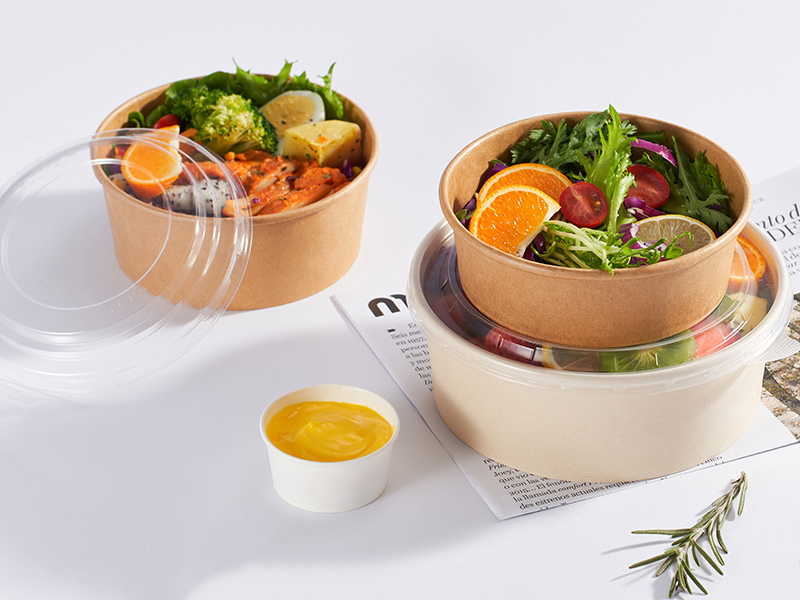 Qué tener en cuenta al comprar recipientes de papel para comida para restaurantes
Sep 14, 2026
Qué tener en cuenta al comprar recipientes de papel para comida para restaurantes
Sep 14, 2026
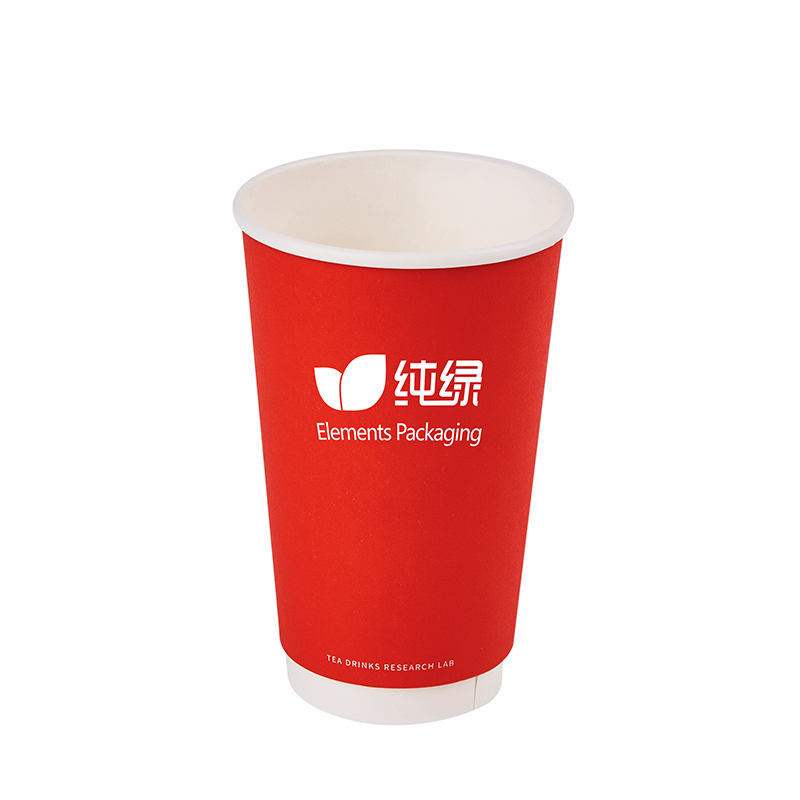 Vasos de papel de doble pared: Guía de ingeniería, recubrimientos y abastecimiento B2B
Sep 02, 2026
Vasos de papel de doble pared: Guía de ingeniería, recubrimientos y abastecimiento B2B
Sep 02, 2026
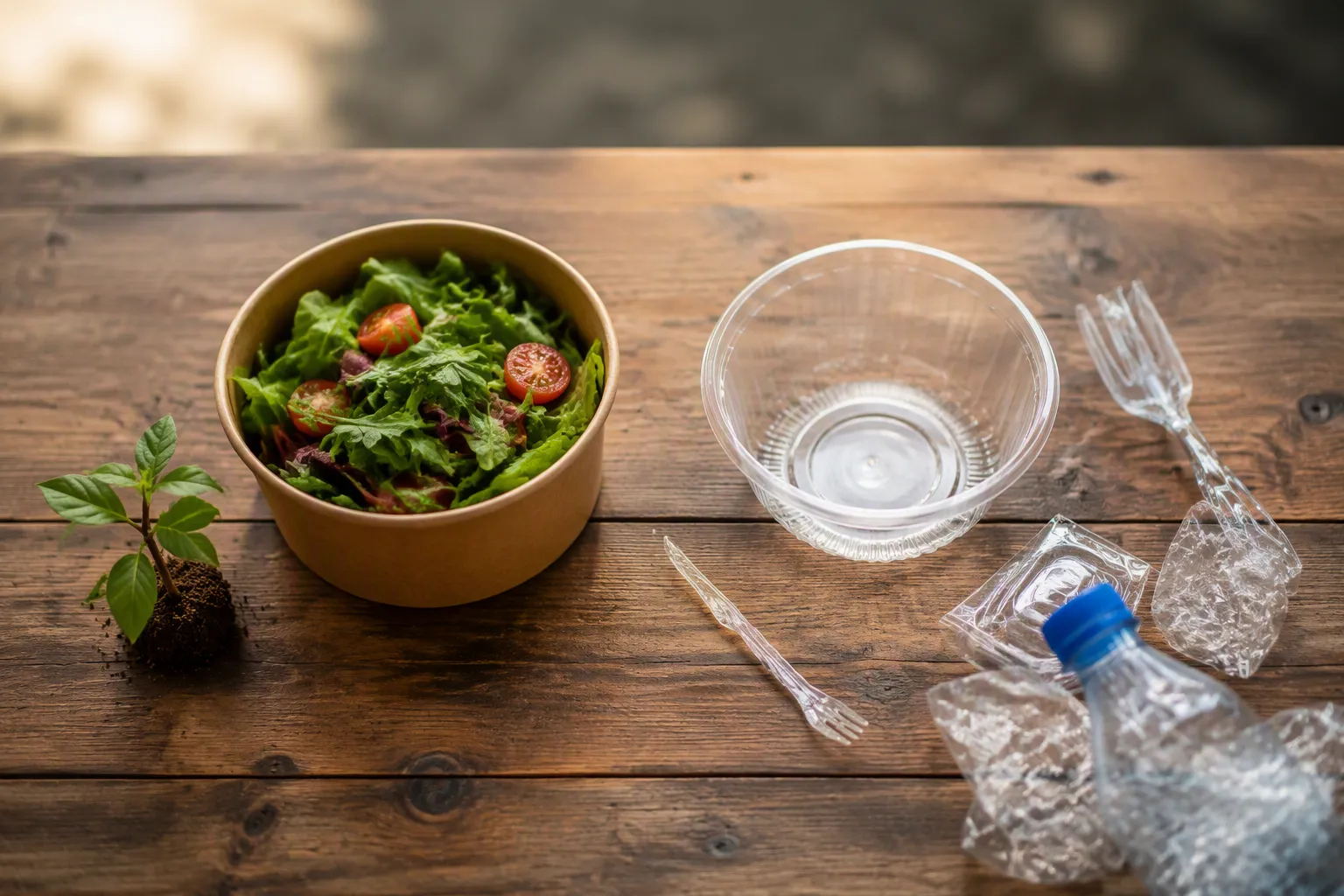 Envases de papel vs. envases de plástico: ¿Por qué las opciones ecológicas son la mejor opción?
Aug 28, 2026
Envases de papel vs. envases de plástico: ¿Por qué las opciones ecológicas son la mejor opción?
Aug 28, 2026
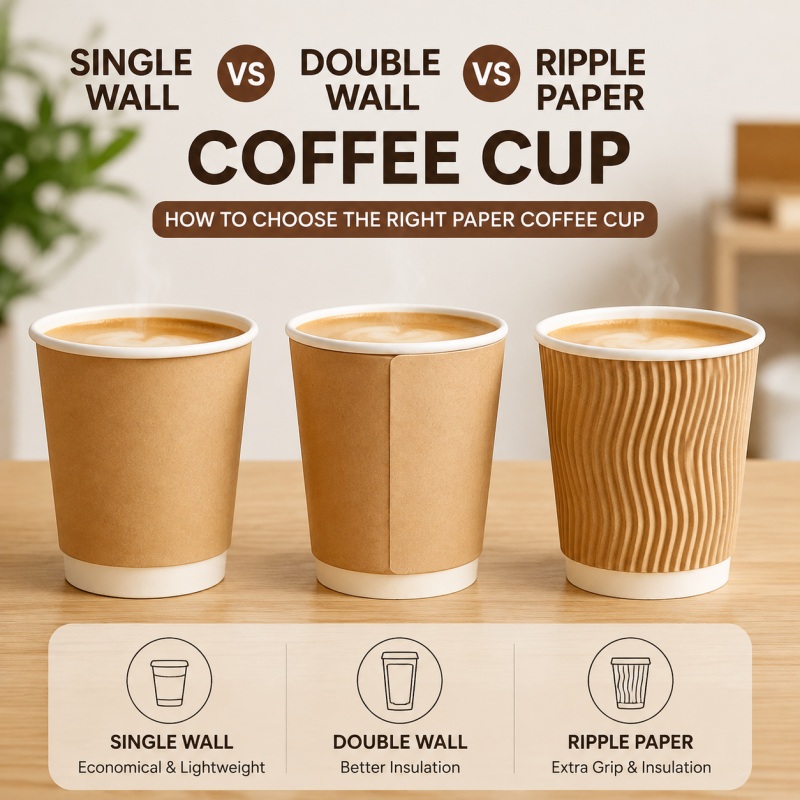 Vaso de papel para café de pared simple vs. pared doble vs. pared ondulada: cómo elegir el vaso de papel adecuado
Aug 18, 2026
Vaso de papel para café de pared simple vs. pared doble vs. pared ondulada: cómo elegir el vaso de papel adecuado
Aug 18, 2026
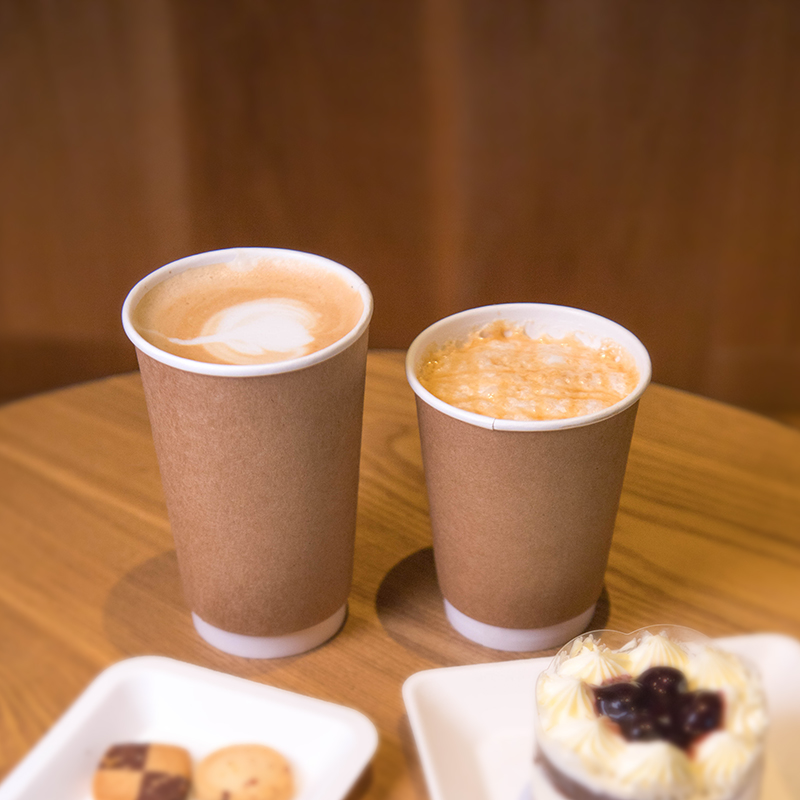 Cómo los vasos de papel personalizados ayudan a las marcas de café a generar un mayor reconocimiento por parte de sus clientes.
Aug 12, 2026
Cómo los vasos de papel personalizados ayudan a las marcas de café a generar un mayor reconocimiento por parte de sus clientes.
Aug 12, 2026
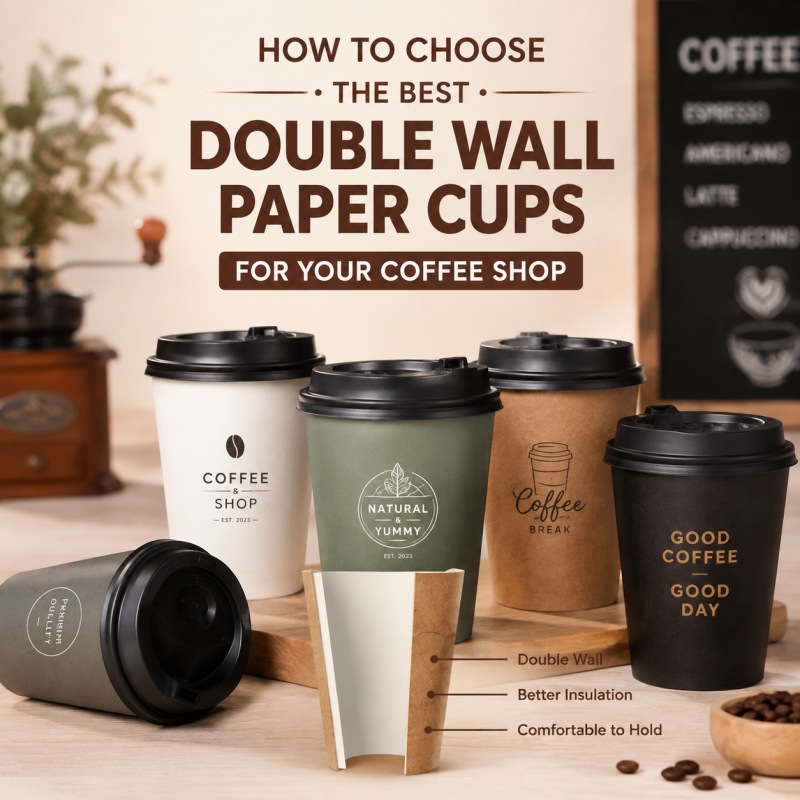 Cómo elegir los mejores vasos de papel de doble pared para tu cafetería.
Aug 06, 2026
Cómo elegir los mejores vasos de papel de doble pared para tu cafetería.
Aug 06, 2026
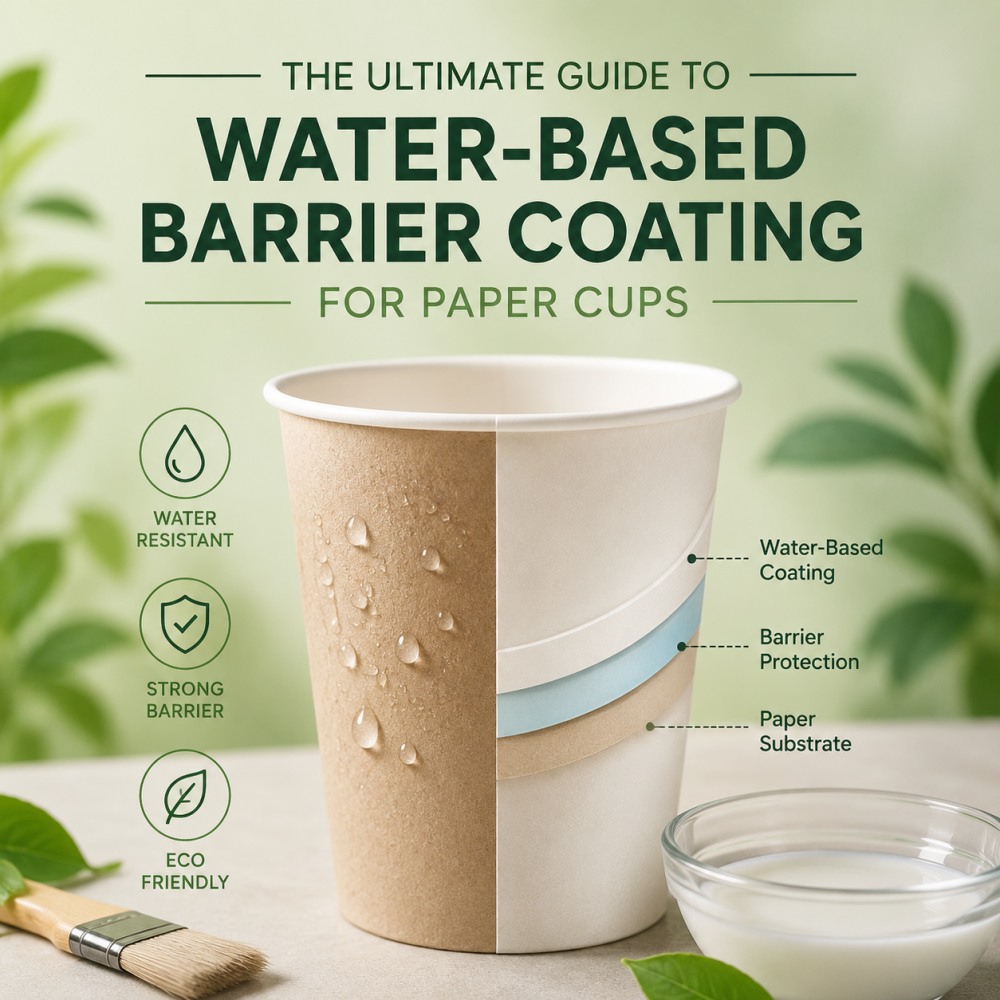 La guía definitiva para el recubrimiento de barrera a base de agua para vasos de papel.
Jul 29, 2026
La guía definitiva para el recubrimiento de barrera a base de agua para vasos de papel.
Jul 29, 2026
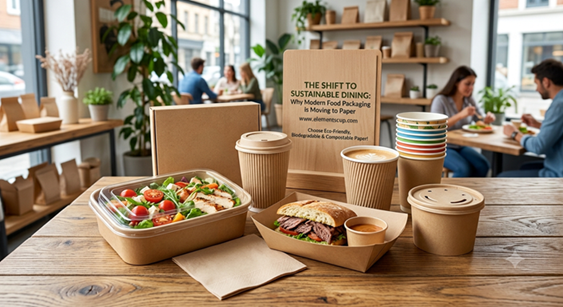 El cambio hacia una alimentación sostenible: por qué los envases modernos de alimentos se están pasando al papel.
Jul 26, 2026
El cambio hacia una alimentación sostenible: por qué los envases modernos de alimentos se están pasando al papel.
Jul 26, 2026
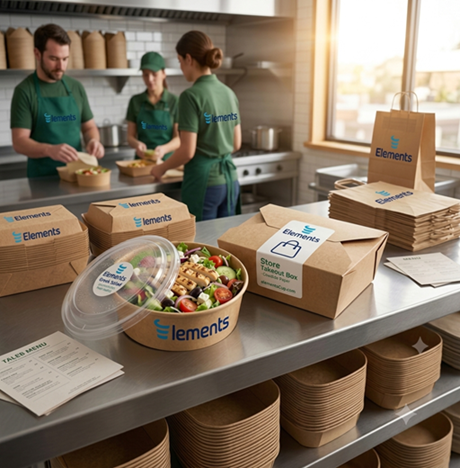 Pequeñas decisiones, gran impacto: cómo los envases ecológicos para comida para llevar impulsan la fidelidad del consumidor.
Jul 18, 2026
Pequeñas decisiones, gran impacto: cómo los envases ecológicos para comida para llevar impulsan la fidelidad del consumidor.
Jul 18, 2026
 El Año Nuevo continúa brindándole soluciones de envasado de alimentos en papel.
Jan 03, 2025
El Año Nuevo continúa brindándole soluciones de envasado de alimentos en papel.
Jan 03, 2025
 ¿Para qué se pueden utilizar los vasos de papel?
Mar 06, 2024
¿Para qué se pueden utilizar los vasos de papel?
Mar 06, 2024